
Essential Tips for Local Semi Truck Federal DOT Inspect
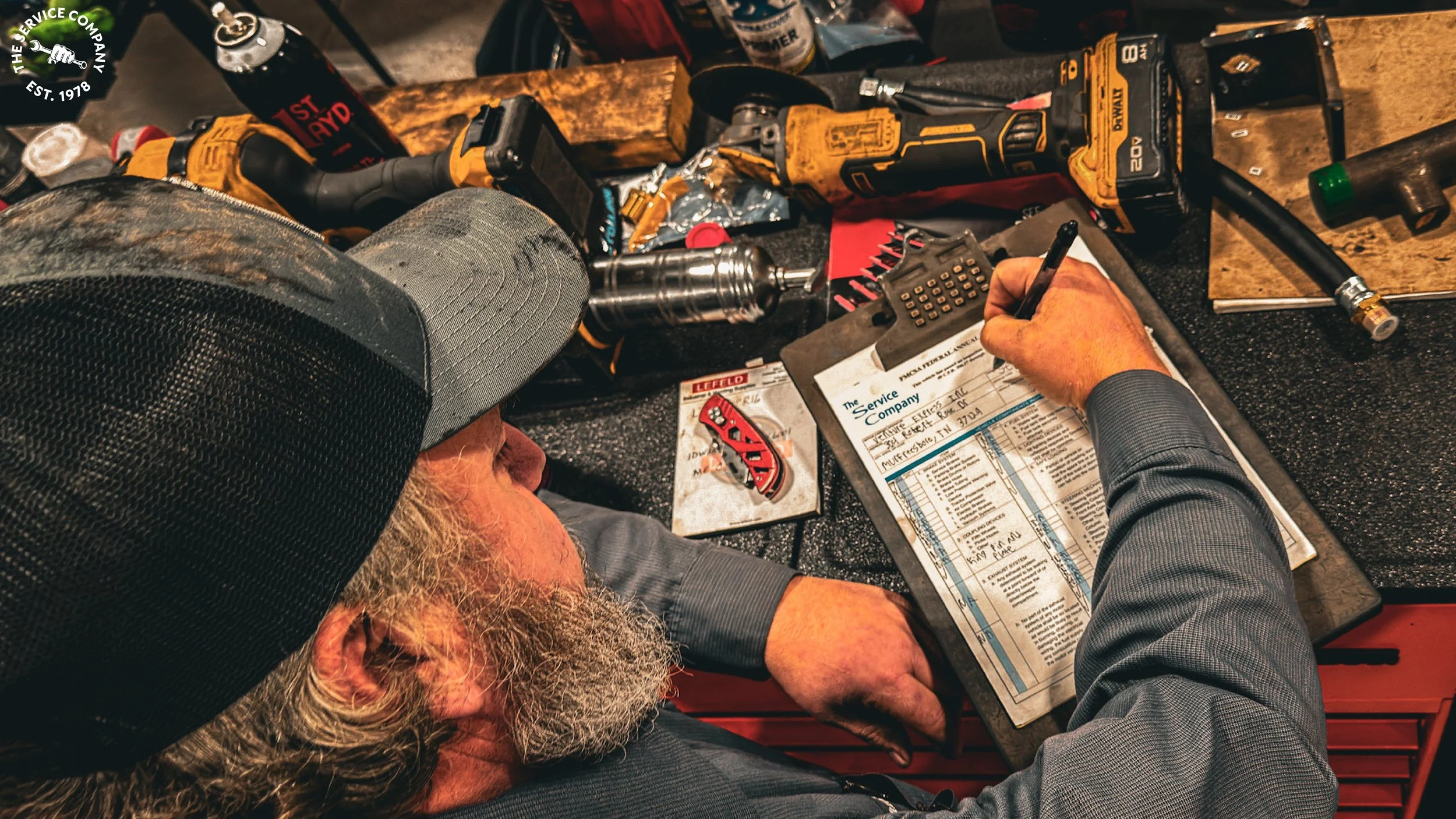
When it comes to semi truck inspections, knowing where and how to get your vehicle inspected is crucial for ensuring safety on the road. For truck drivers, maintaining compliance with federal regulations is imperative. In this comprehensive guide, we’ll delve into essential tips for local semi truck inspections that will keep your vehicle in optimal condition and operating efficiently while traversing America’s highways.
Understanding the Importance of Semi Truck Inspections
Truck inspections are more than just routine procedures; they are essential for ensuring road safety. Every commercial driver understands that semi-trucks encounter unique challenges due to their size, weight, and the loads they transport. The results of a malfunctioning truck can be disastrous, making regular inspections crucial.
Safety and Legal Compliance
Federal regulations require that semi trucks undergo regular inspections to ensure they meet safety standards. These inspections help identify potential issues before they escalate into dangerous situations. Routine inspections are essential for avoiding fines, accidents, and even legal ramifications.
In addition to safety, compliance with inspection regulations also protects your investment. Failing to keep your truck maintained can lead to costly repairs and decreased performance. Regular inspections contribute to the longevity of your vehicle and can enhance its resale value.
Federal Inspections
For semi-trucks operating across state lines, federal DOT inspections are required under the Federal Motor Carrier Safety Regulations (FMCSR). These inspections apply to commercial vehicles over 10,001 pounds and must be completed once every 12 months by a qualified inspector. The federal inspection covers all critical safety systems—brakes, suspension, steering, tires, lighting, coupling, frame integrity, and more—to ensure the truck meets national safety standards. Our team at The Service Company includes qualified DOT inspectors who perform these comprehensive federal inspections to keep your fleet compliant and road-ready.
Specialty Inspections
Semi trucks can also require specialty inspections based on their configuration or load type. For example, trucks transporting hazardous materials may need additional certifications or checks. Similarly, trailers and cargo may undergo specific inspections to ensure secure loading and safe transport. Understanding the specifics of these specialized inspections is crucial for operators who need to stay compliant.
Finding Reliable Semi Truck Shops with Inspection Certifications
Finding a reliable shop is key for semi truck drivers. If you want to locate specialized inspection facilities, searching online for "semi truck inspection near me" can yield many options. It’s important to read reviews and perhaps seek recommendations from fellow drivers to find trustworthy shops. Look for facilities that employ qualified inspectors who understand the nuances of semi truck regulations. The Service Company is one of the few repair shops in the region that employs fully qualified DOT inspectors who understand federal inspection standards inside and out.
Conducting a Pre-Inspection Check
A vital step in ensuring your semi truck is ready for inspection is to conduct a thorough pre-inspection check. Here are the critical components to examine:
Brakes: Make sure the brakes are responsive and not making unusual noises. Poor brake performance is one of the leading causes of truck accidents. They are also the number one OOS violation.
Lights: Check all lights, including headlights, tail lights, brake lights, and indicators. Malfunctioning lights can easily lead to a failed inspection.
Tires: Inspect your tires for proper inflation and tread wear. Under-inflated or bald tires can be dangerous and violate inspection standards.
Fluids: Check essential fluid levels, including engine oil, coolant, brake fluid, and power steering fluid. Any leak spotted while on the road will trigger an automatic DOT roadside inspection.
Schedule Your Inspection in Advance
It’s always a good idea to schedule your inspection ahead of time. Many shops offer online booking options, which can save you time and ensure the inspection aligns with your schedule. Advanced scheduling can also reduce the likelihood of delays that might arise from last-minute visits, especially on weekends.
What to Expect During the Inspection
Knowing what to expect can ease the stress of the inspection process. Here’s an overview of what typically happens:
The Inspection Process
When you arrive at where you are having the inspection done, the inspector will conduct a thorough check of your semi truck. Key components reviewed include:
Brakes and Steering: To ensure they are functioning correctly.
Exhaust System: To check for leaks and ensure compliance with emission standards.
Safety Features: Including seatbelts, airbags, and any other required safety components.
The inspector will also check the condition of your truck's chassis and overall structural integrity.
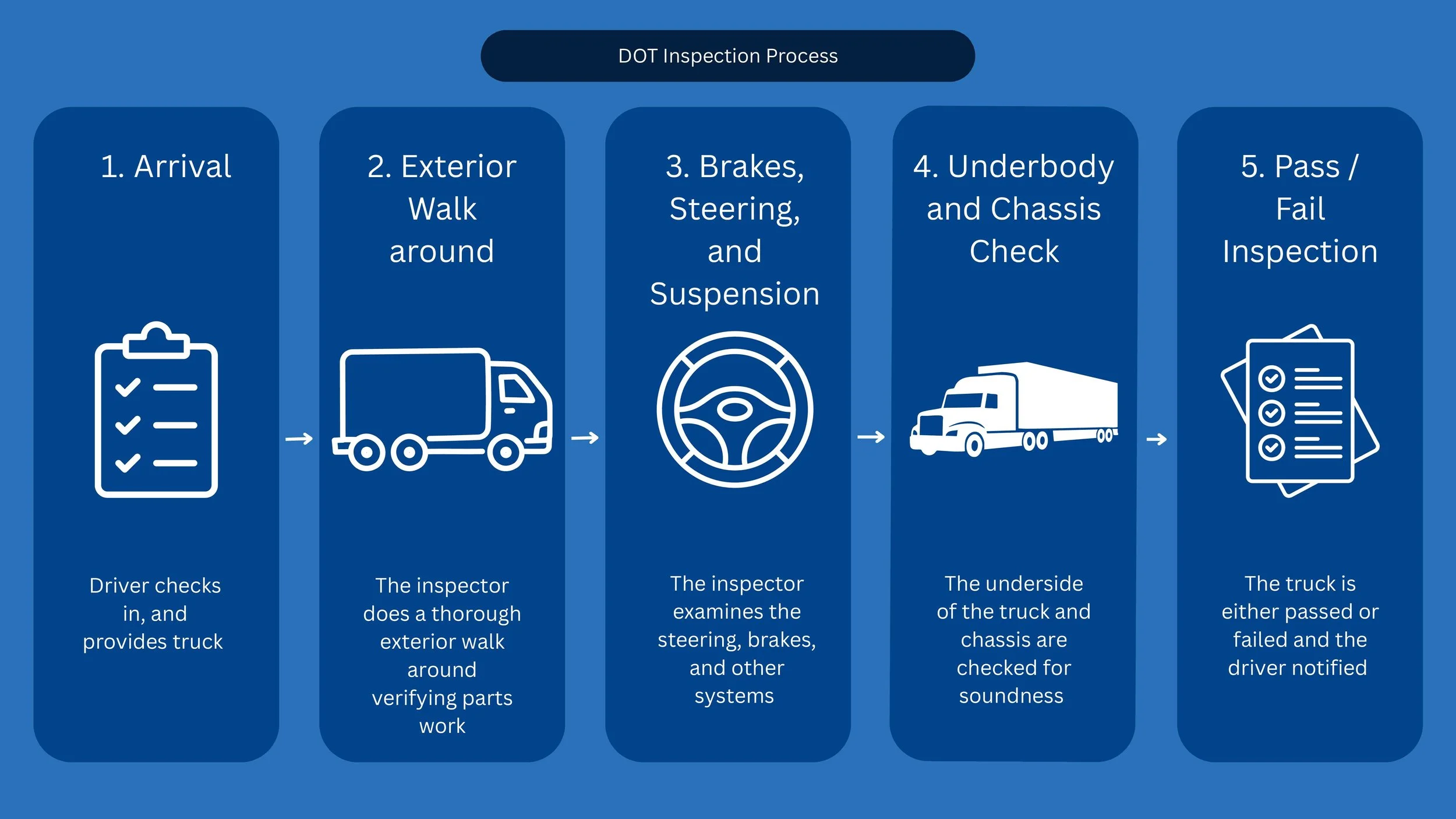
Inspection Process
Duration of the Inspection
The length of the inspection can vary based on factors such as the type of vehicle and the depth of the inspection. Generally, a standard inspection for a semi truck can take anywhere from forty-five minutes to an hour and a half. Being prepared can help expedite this process and minimize waiting time.
After the Inspection: Next Steps
Once the inspection is complete, you will receive a report detailing any issues found. If your semi truck passes, you will obtain an inspection sticker, symbolizing that your vehicle meets all required standards. However, if there are issues, you will need to address them, potentially leading to a return visit for a re-inspection.
Addressing Issues
If your vehicle doesn't pass, don’t panic. The inspection report will highlight what needs repair. Common issues found during inspections may include:
Faulty brakes
Malfunctioning lights
Emissions problems
Swiftly addressing these issues can help you avoid more significant repairs in the future.
Getting an Inspection Sticker
Once your semi truck passes inspection, you will receive an inspection sticker. This sticker needs to be prominently displayed on your vehicle, as it serves as proof that your truck has met all necessary requirements. Be diligent about keeping it updated; failure to do so may result in fines or penalties.
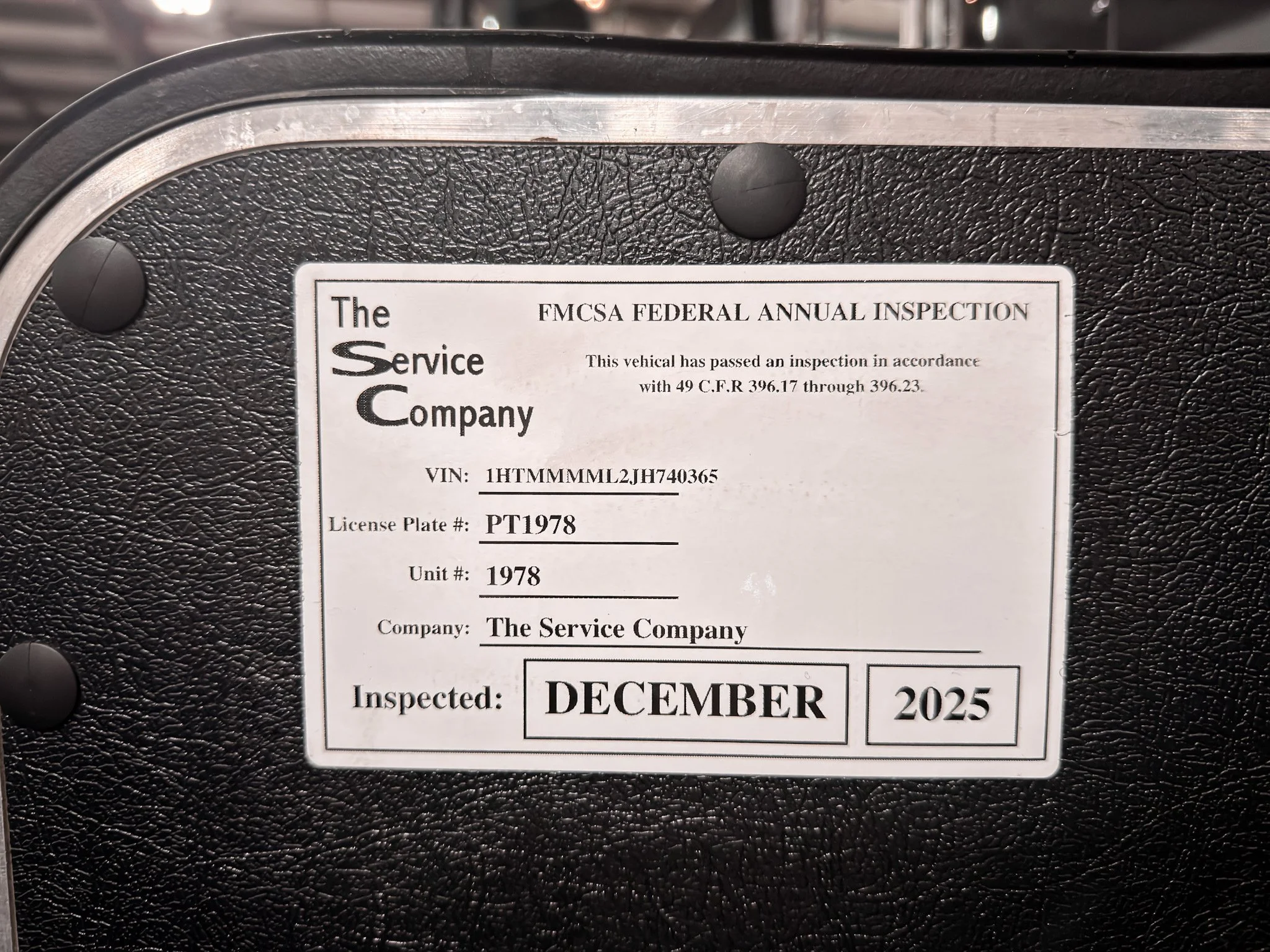
Federal Inspection Sticker
Tips for a Smooth Inspection Experience
To enhance your inspection experience and ensure smooth sailing, keep the following tips in mind:
Research Shops with Inspections: Look for reviews and recommendations to find a trustworthy shop that specializes in semi trucks.
Maintain Your Vehicle Regularly: Regular maintenance checks can prevent issues that may lead to a failed inspection. Develop a routine maintenance schedule that allows you to address minor problems before they become major ones.
Stay Informed About Regulatory Changes: Always keep yourself updated on any changes in federal inspection requirements. This knowledge will help you remain compliant and avoid potential pitfalls.
Choosing a shop like The Service Company for your federal inspections ensures consistent communication, certified inspection accuracy, and a dependable partner for keeping your fleet compliant
Conclusion
In the end, semi truck federal inspections play a critical role in ensuring the safety, performance, and regulatory compliance of commercial vehicles. By understanding the DOT inspection process, preparing your vehicle meticulously, and knowing where to get inspected, you can ensure a seamless and hassle-free experience. Partnering with a trusted shop like The Service Company can also simplify the process and give you clear communication, accurate results, and confidence that your truck is truly road-ready. These tips will guide you in maintaining the safety and compliance of your semi truck, contributing to a safer environment on the roads.
Regular inspections not only protect you as a driver, but also the cargo you carry and other road users. With diligence and proactive measures, you can make sure that your semi truck remains in top-notch condition. Safe travels!
