
Difference Between OEM and Aftermarket Semi Truck Parts
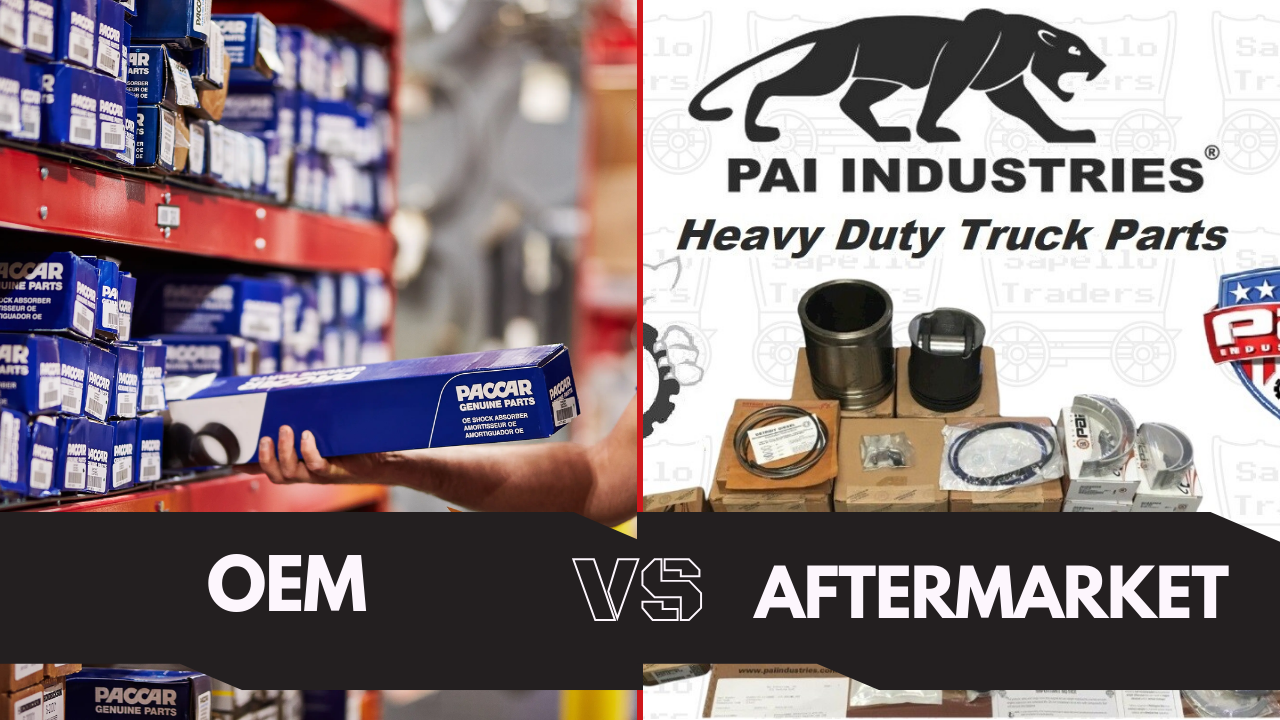
OEM VS. Aftermarket
Summary
This guide compares OEM and aftermarket semi truck parts with a practical focus on cost, warranty, manufacturing origin, and real-world performance. While OEM parts are often assumed to be superior, many aftermarket options offer the same warranty coverage, are manufactured by the same companies, and in some cases improve on known OEM design issues. Choosing the right part depends on understanding the application, the manufacturer behind the part, and guidance from someone familiar with both OEM and aftermarket solutions.
What Are OEM and Aftermarket Semi Truck Parts?
OEM, or Original Equipment Manufacturer, parts are components sold through the truck manufacturer. Aftermarket parts are sold by independent suppliers and distributors. Although these categories are often treated as fundamentally different, the actual distinction is frequently smaller than most people expect.
In many cases, OEM and aftermarket parts are produced by the same manufacturer, using the same designs and materials. The primary difference is how the part is packaged and sold. OEM parts are branded and distributed through the truck manufacturer, while aftermarket parts are sold directly by the component manufacturer or through aftermarket channels.
OEM parts are commonly more expensive, not because they are different parts, but because they are sold under an OEM label.
Warranty Coverage: OEM vs Aftermarket
One of the most common reasons people default to OEM parts is warranty coverage. In reality, most OEM parts carry a one-year warranty. This same warranty length is widely available among reputable aftermarket manufacturers.
Well-known aftermarket brands frequently match OEM warranty terms, offering the same level of coverage without the added cost. The key factor is not whether the part is OEM or aftermarket, but whether it comes from a trusted manufacturer with established warranty support.
Warranty protection is often equal on both sides when comparable parts are properly sourced.
Same Manufacturer, Different Cost
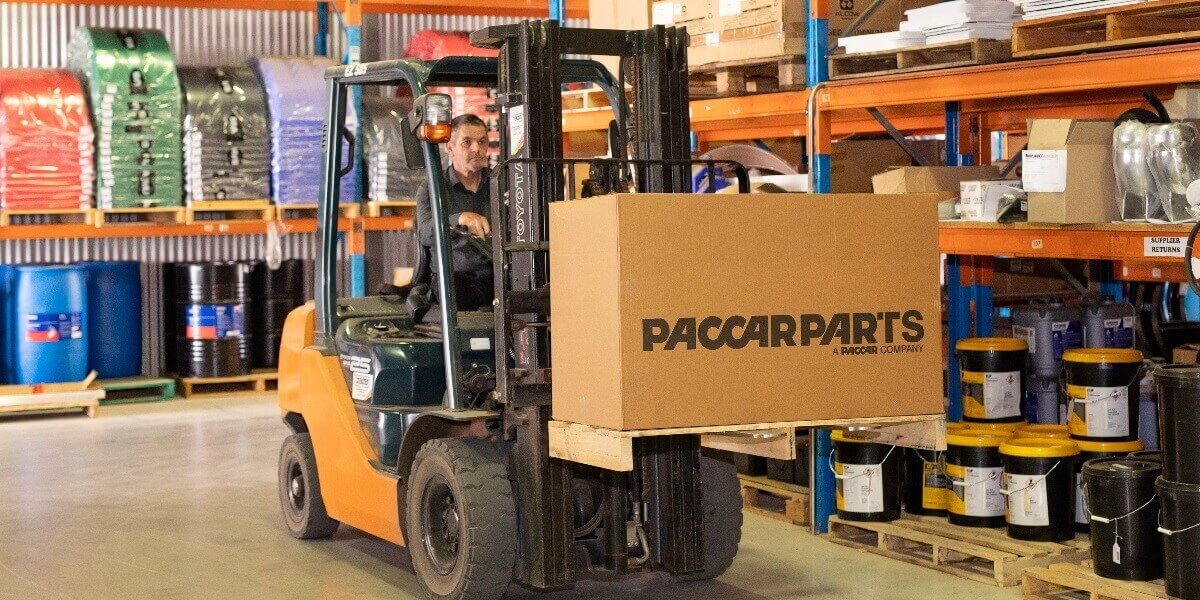
Forklift moving parts
A major factor in price differences between OEM and aftermarket parts is branding rather than manufacturing. Many OEM parts are identical to aftermarket parts because they are produced by the same company.
For example, Holset manufactures turbochargers that they sell to OEM manufacturers. The OEM version is typically packaged in an OEM box and sold at a higher price, despite being available at a much lower price through aftermarket channels.
This situation is common across many categories, including turbochargers, brake components, Nox sensors, and drivetrain parts. In these cases, the additional cost does not reflect a difference in quality or performance. It reflects the premium attached to OEM branding.
Are OEM Parts Always the Best Choice?
OEM parts are not always the best option for every application. Some OEM components have known failure points that aftermarket manufacturers have identified and improved upon.
Aftermarket companies may redesign weak areas, reinforce failure-prone components, or use updated materials based on real-world performance data. As a result, certain aftermarket parts can outperform their OEM counterparts in durability and reliability.
Because of this, it is not always mission-critical to choose OEM by default. The better approach is evaluating the specific part, its failure history, and available alternatives. Consulting someone who understands both OEM systems and aftermarket improvements often leads to a more effective long-term solution.
Choosing the Right Part
Selecting between OEM and aftermarket parts should be based on informed evaluation rather than assumptions. Warranty coverage is often the same. Manufacturing origin is frequently identical. Performance can vary depending on design improvements rather than branding.
The best choice depends on application, cost considerations, known issues, and access to knowledgeable advice.
Conclusion
The difference between OEM and aftermarket semi truck parts is often overstated. Many aftermarket parts match OEM warranty terms, are manufactured by the same companies, and may even correct known OEM design weaknesses. Paying more for an OEM label does not automatically result in better quality or reliability.
The most effective approach is partnering with a shop, like The Service Company, who understands the making of the part, how it performs in real-world use, and which option provides the best balance of cost, durability, and long-term value.
Jesse comes from a three-generation heavy-duty trucking family. From shop floors to parts counters, he now focuses on educating fleet managers and trucking professionals on heavy-duty systems.
